Texts by Eduardo López Moreno®
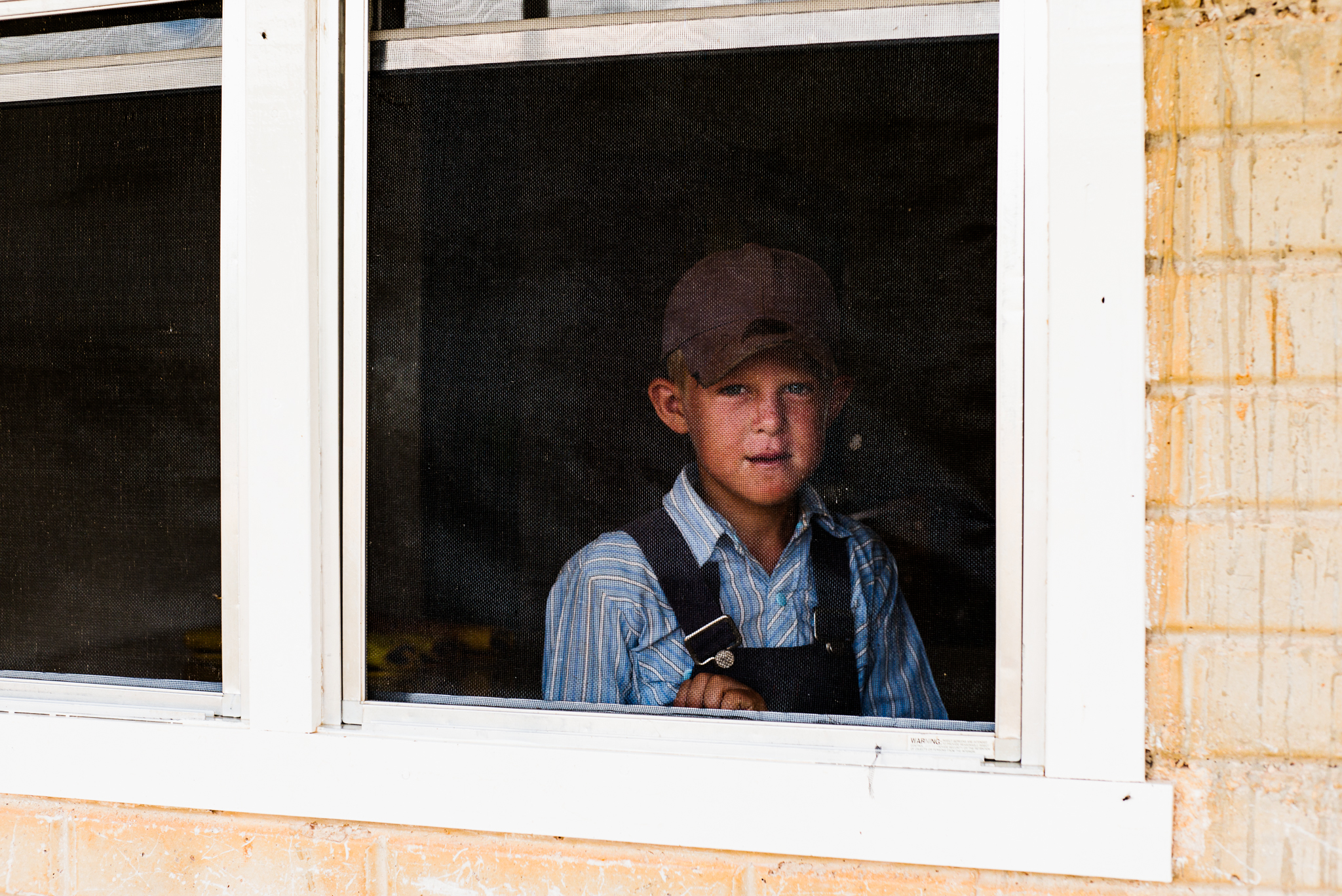
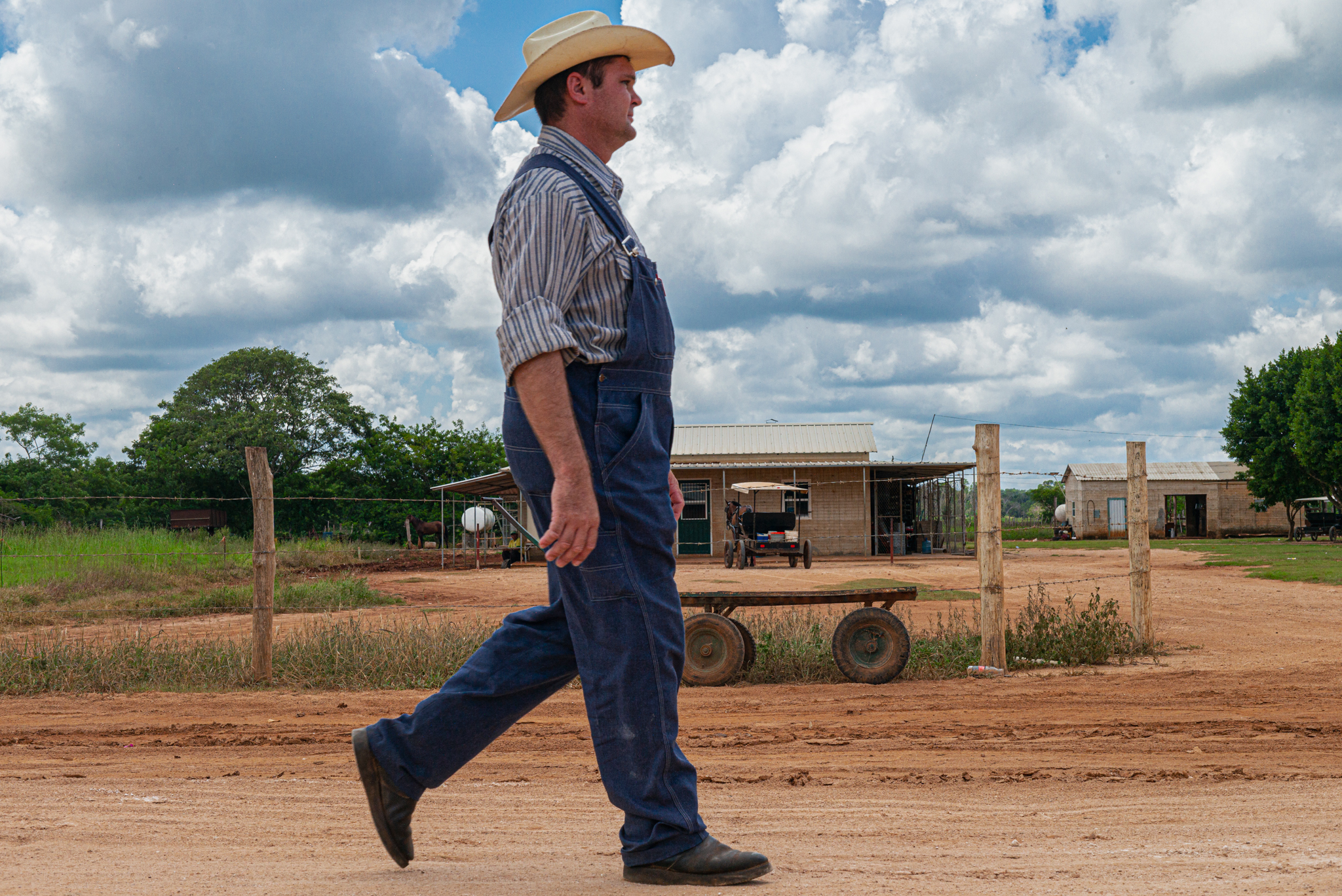
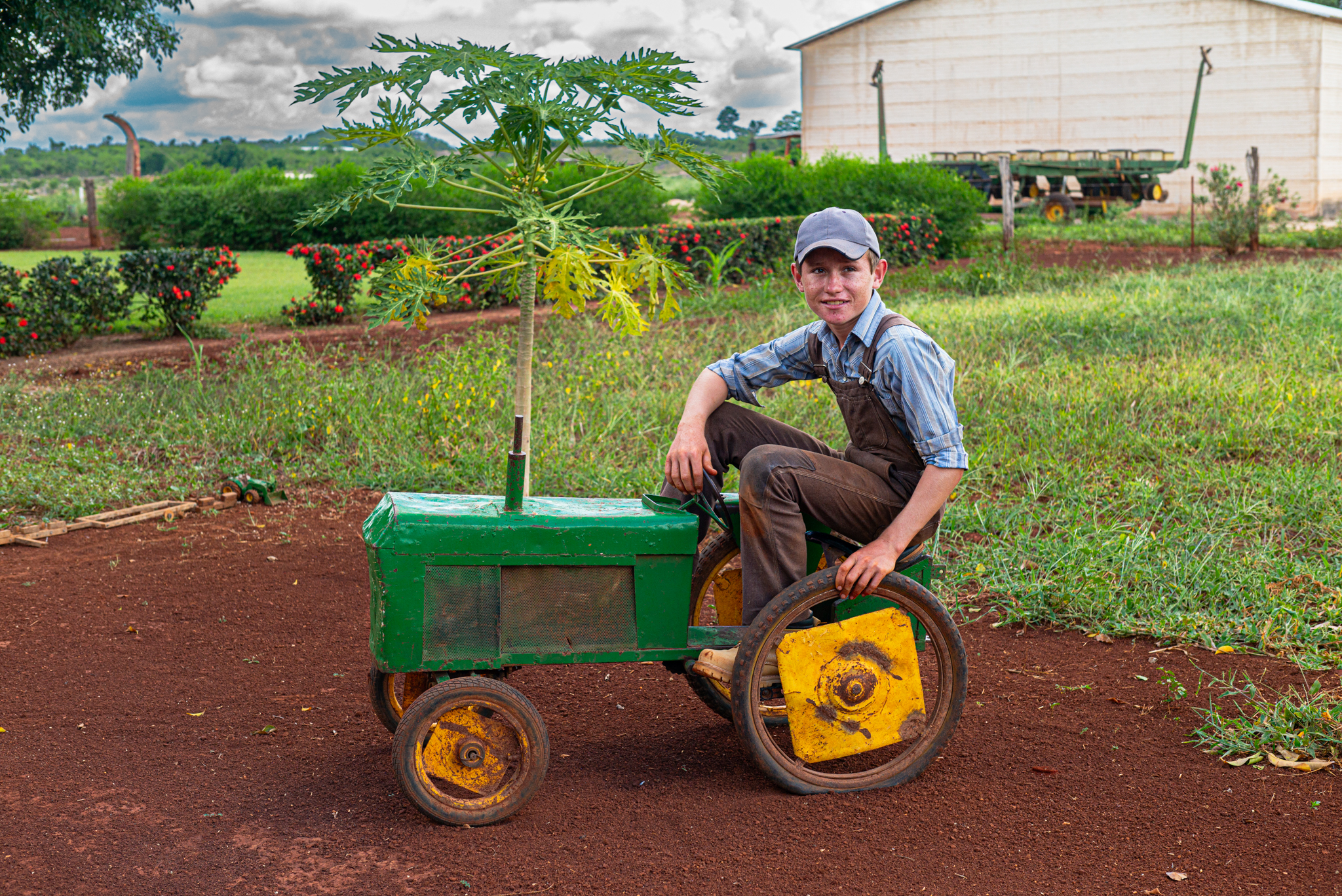
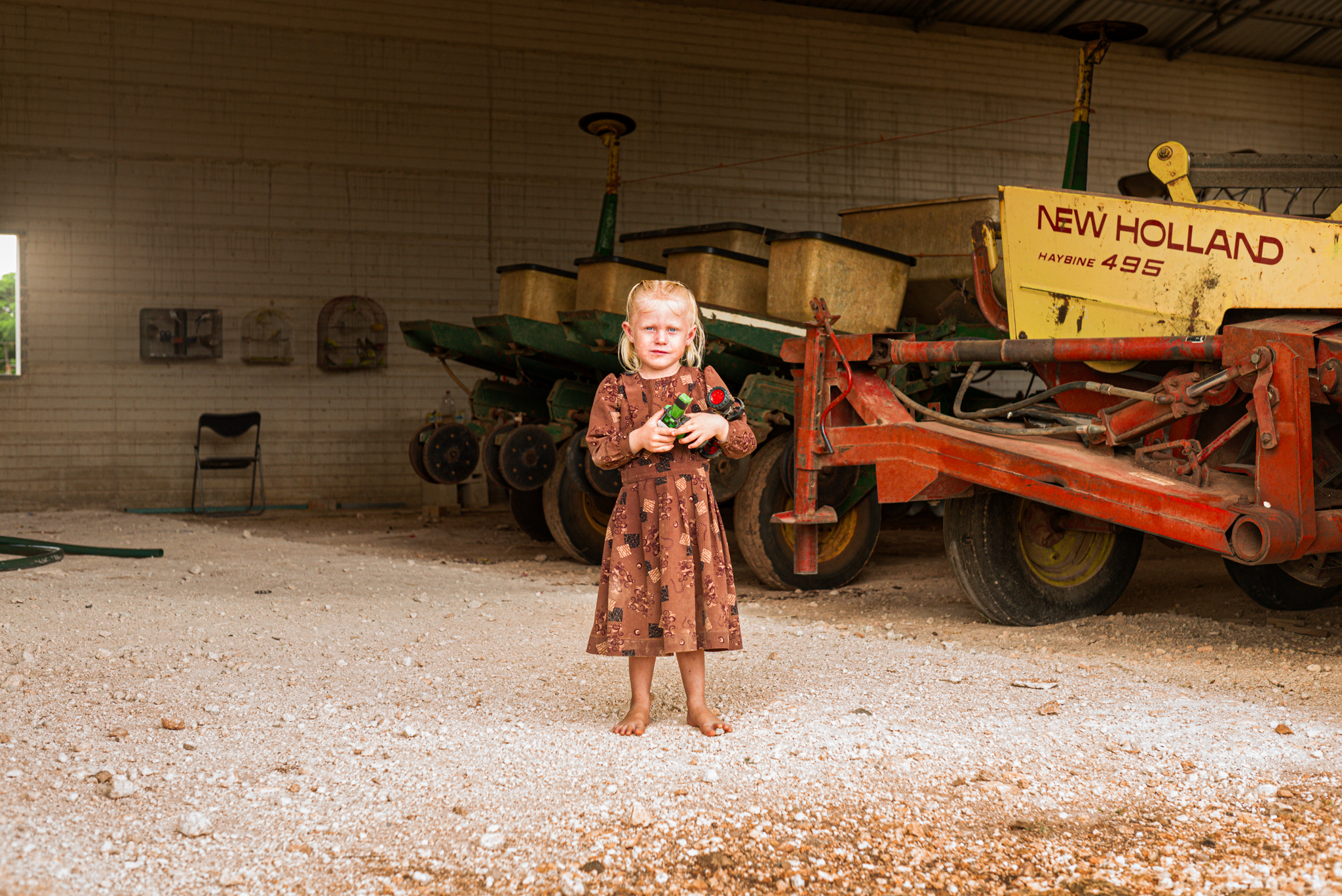
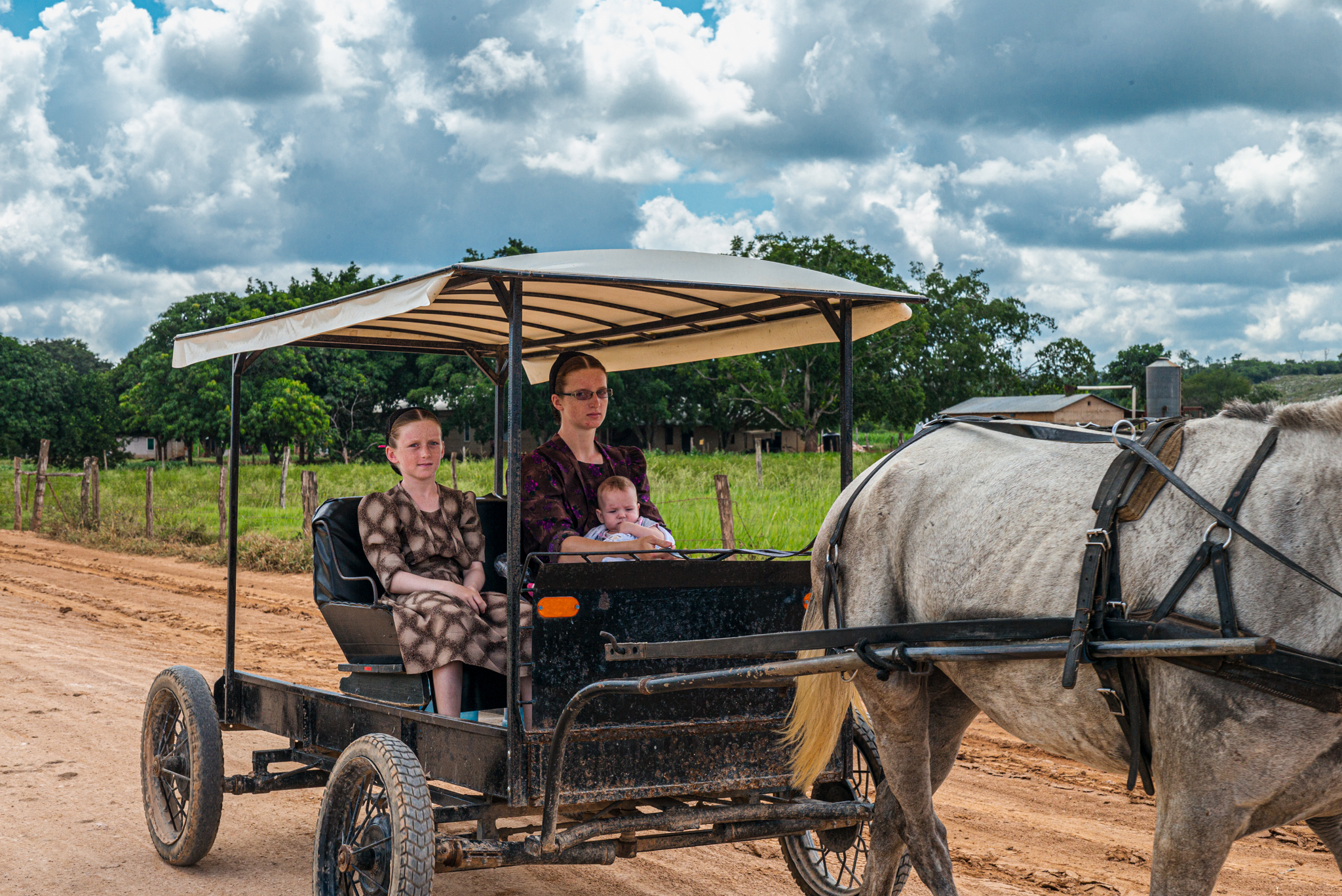
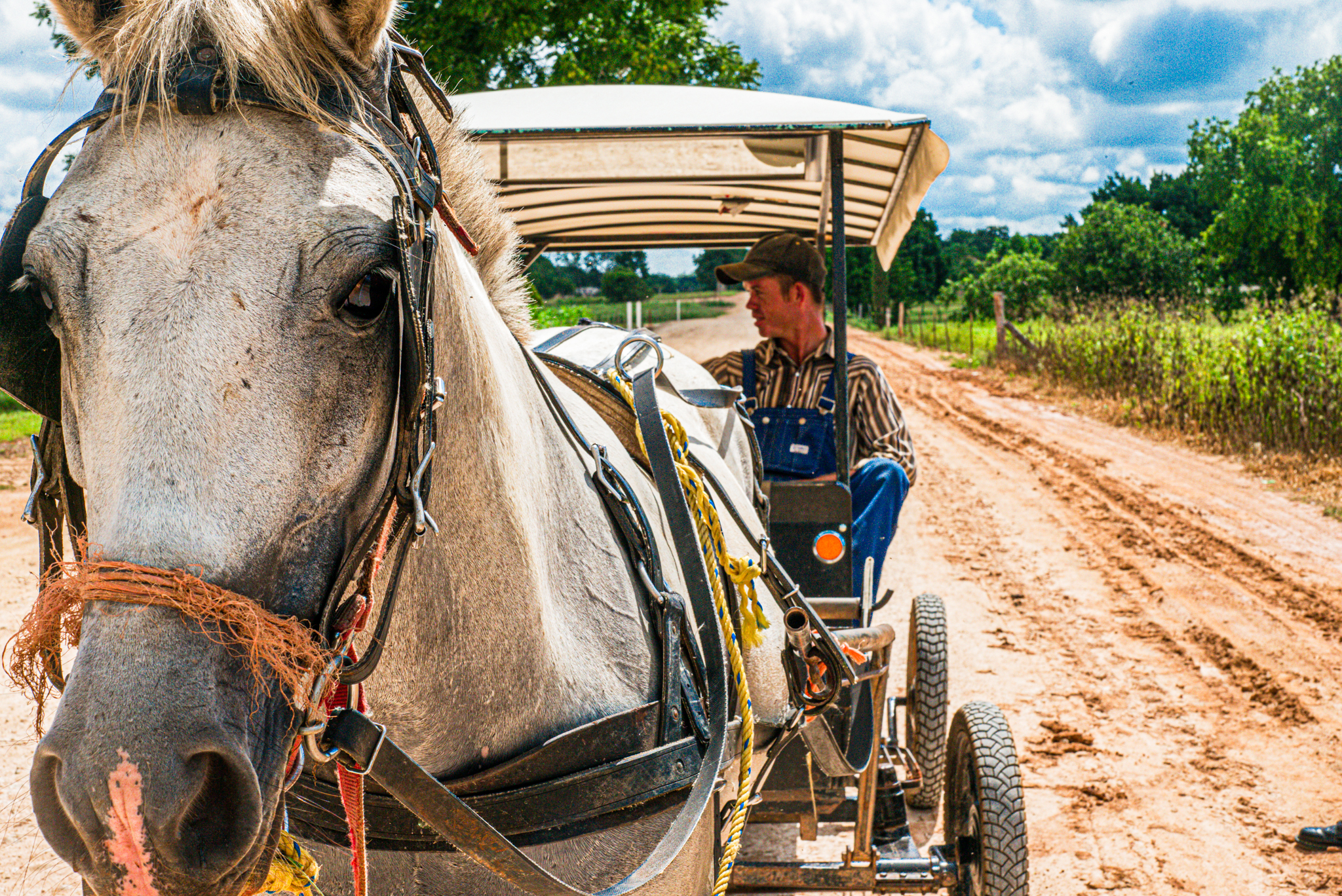
The Mennonites captured time—and a portion of the geography in which they live—and in doing so, recreated their culture and way of life. For more than five centuries, they have sustained a closed universe: a self-contained system in which values, religion, labor, and belief are reproduced within boundaries that belong only to them. Time, here, is not something that passes; it is something that is held, protected, and repeated.
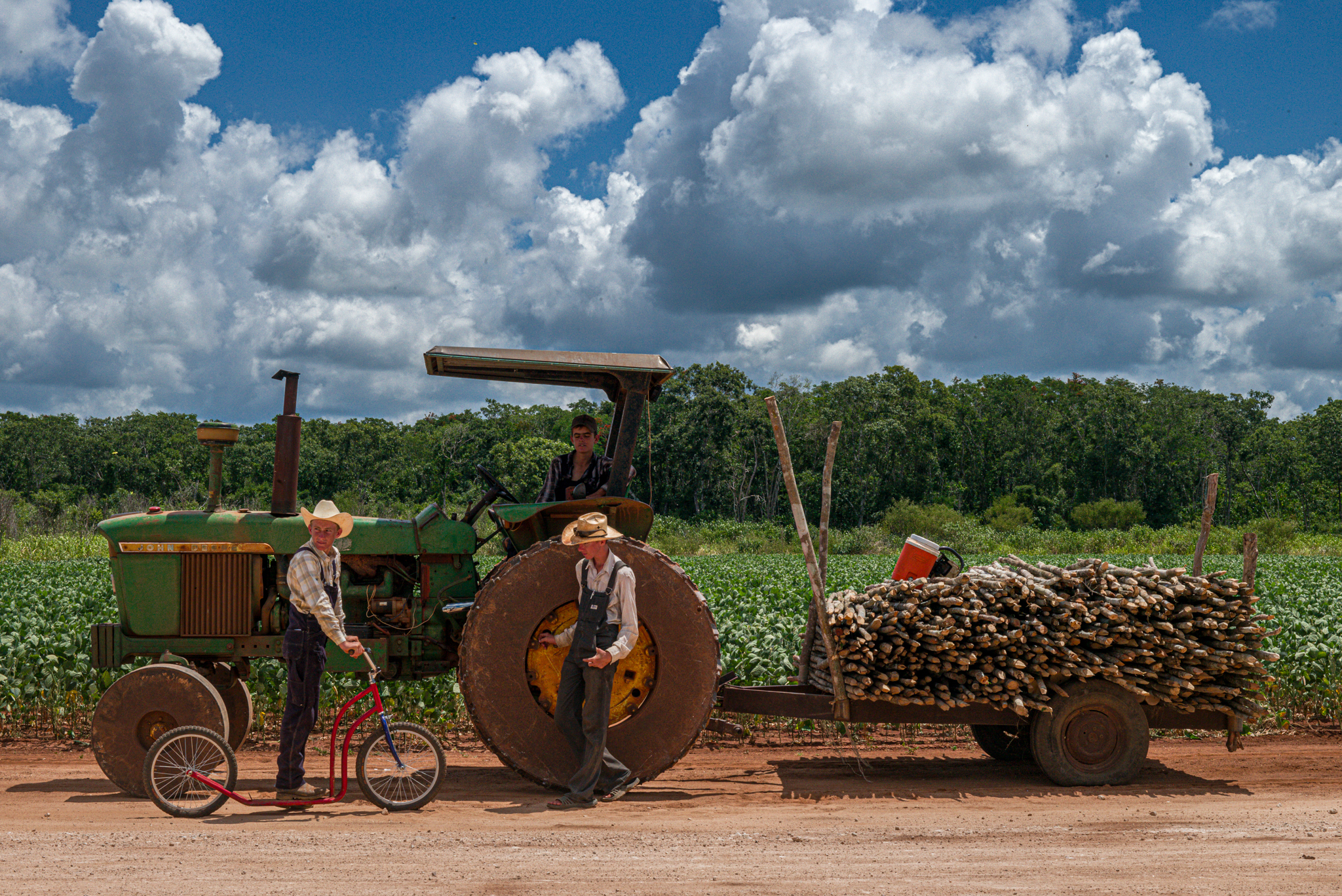
Across generations, agriculture has been privileged not only as a means of survival but as the foundation of economic surplus, social protection, and collective continuity. The land provides sustenance and income, while the community itself functions as a protective structure—one that redistributes resources, safeguards its members, and sends support back to places of origin as a buffer against a historically fragile and itinerant existence.
From their Anabaptist origins in sixteenth-century Europe—across what is now Germany and the Low Countries—Mennonite communities have settled in more than ten countries worldwide. Wherever they establish themselves, agricultural productivity becomes both strength and risk. Economic surplus is achieved through intense cultivation, often at the expense of environmental sustainability, quietly altering the landscapes that host them. The priority is not ecological balance but continuity: the preservation of a way of life that has learned to endure by enclosing itself.