Texts by Eduardo López Moreno®
Curator’s Introduction
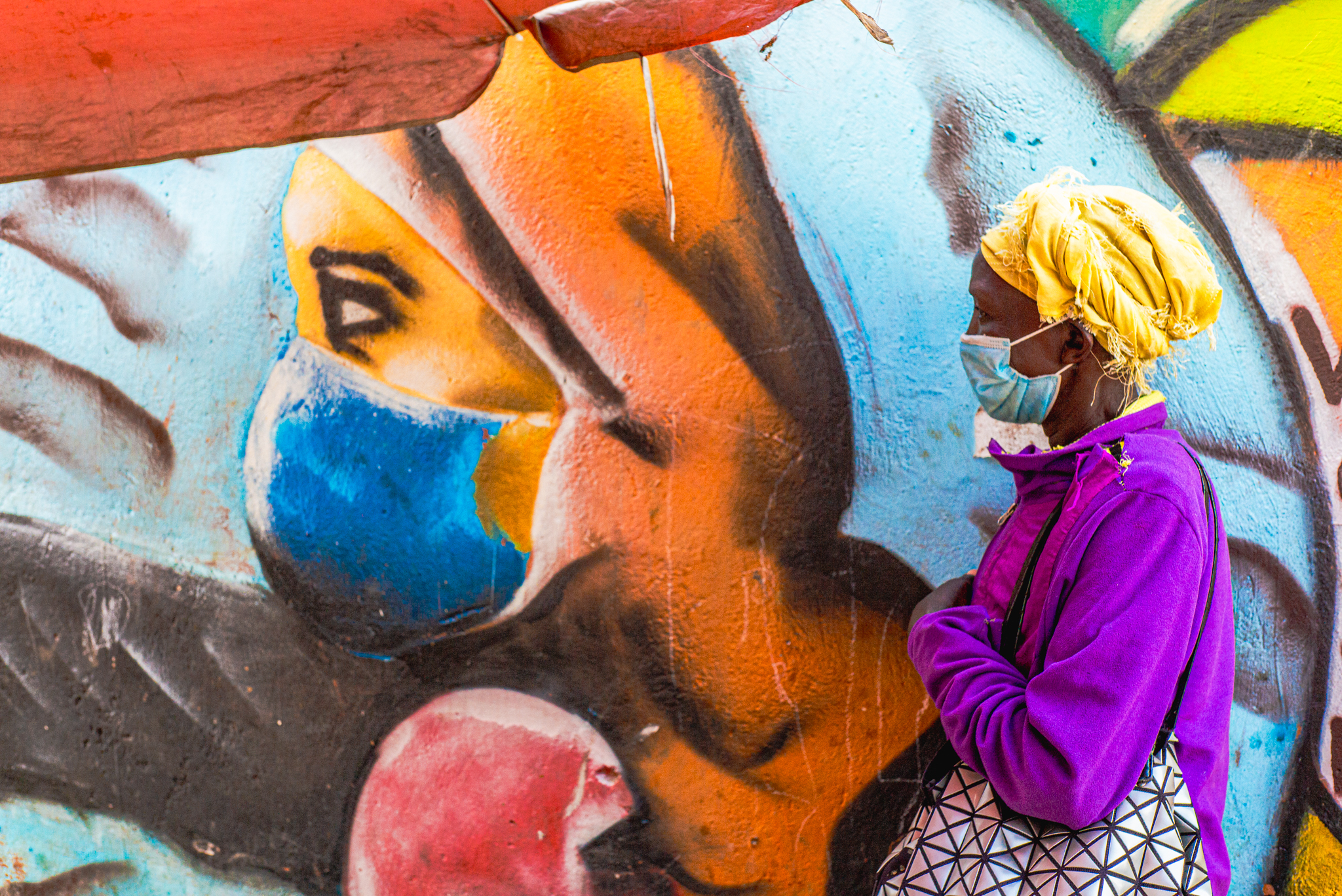
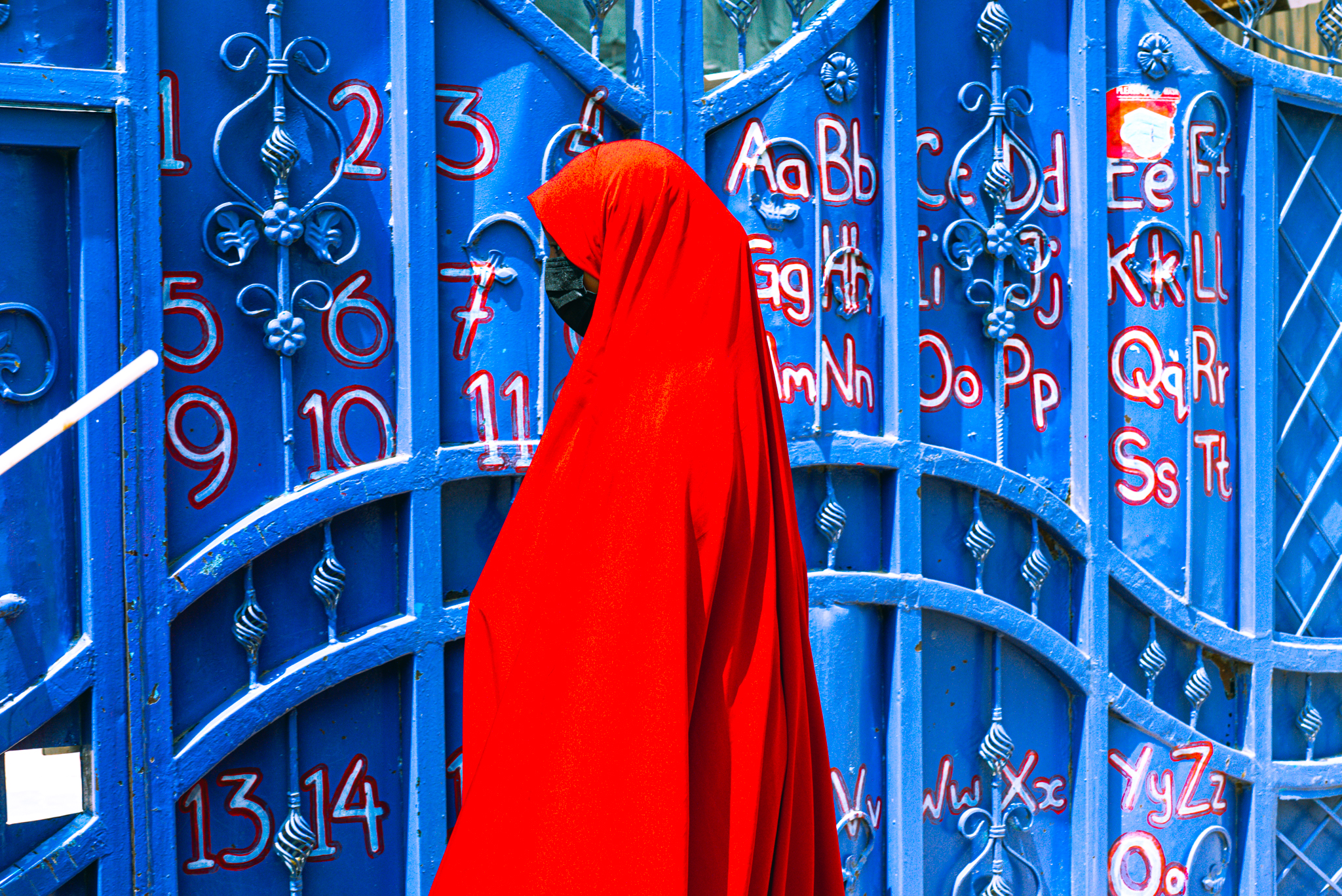
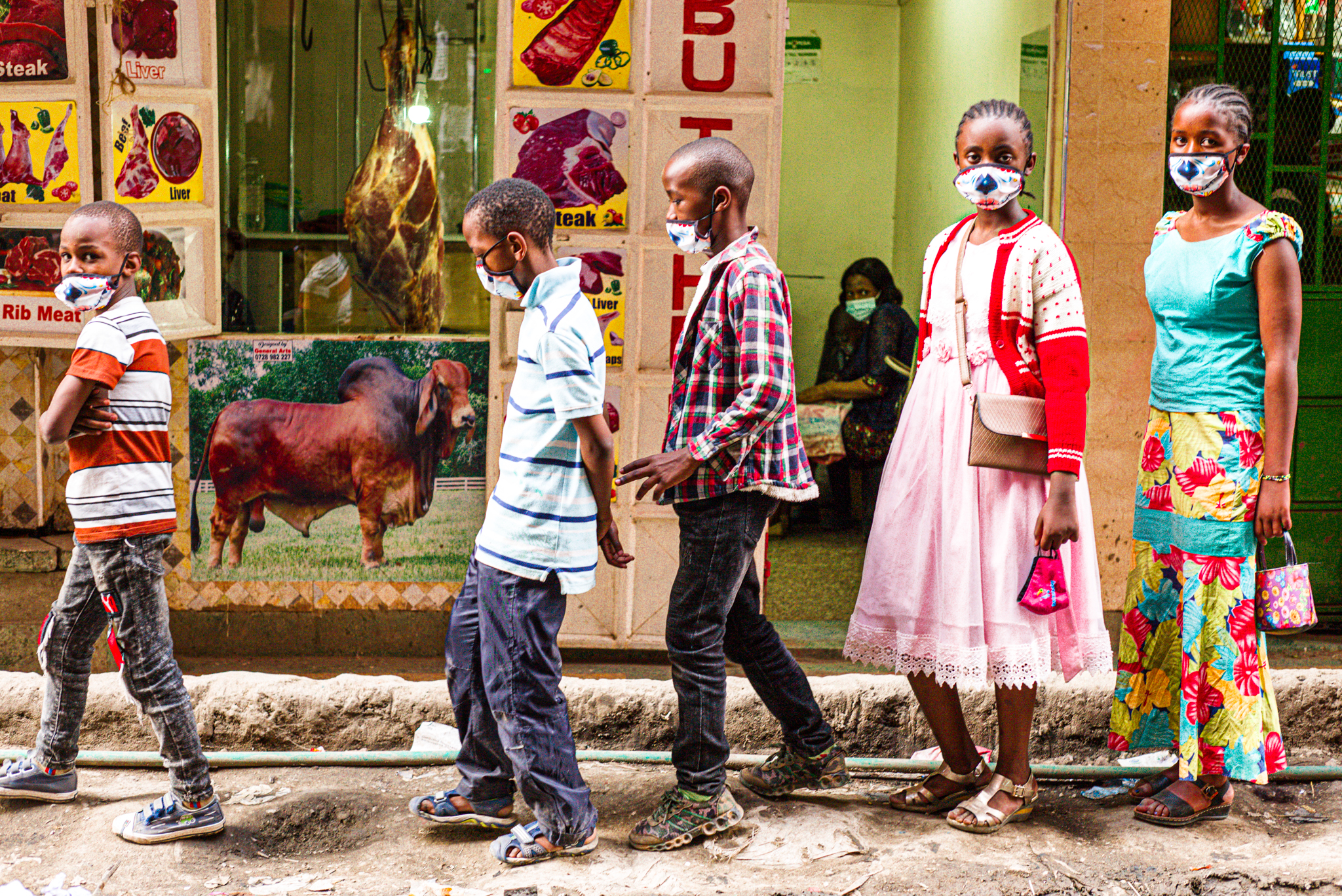
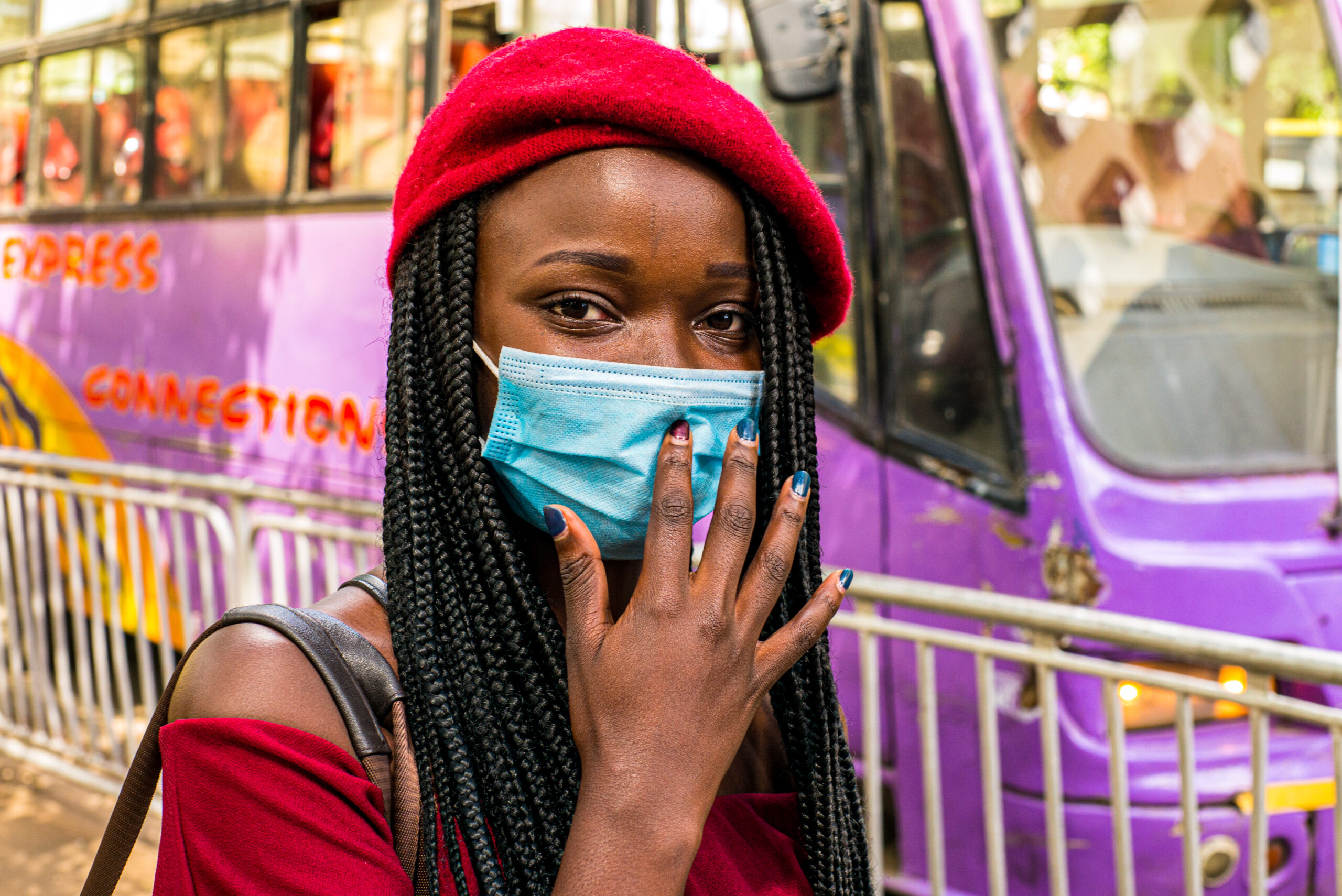
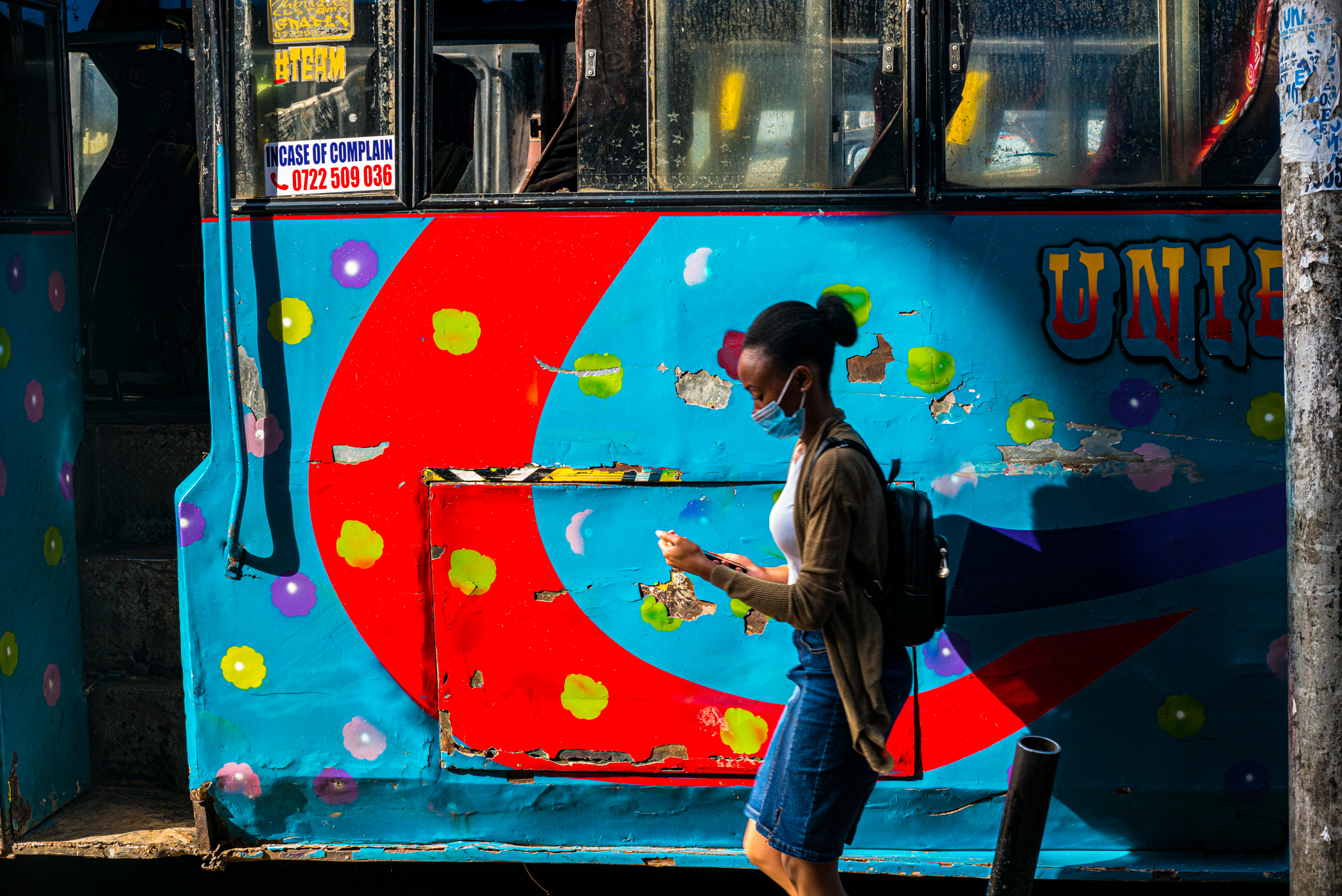
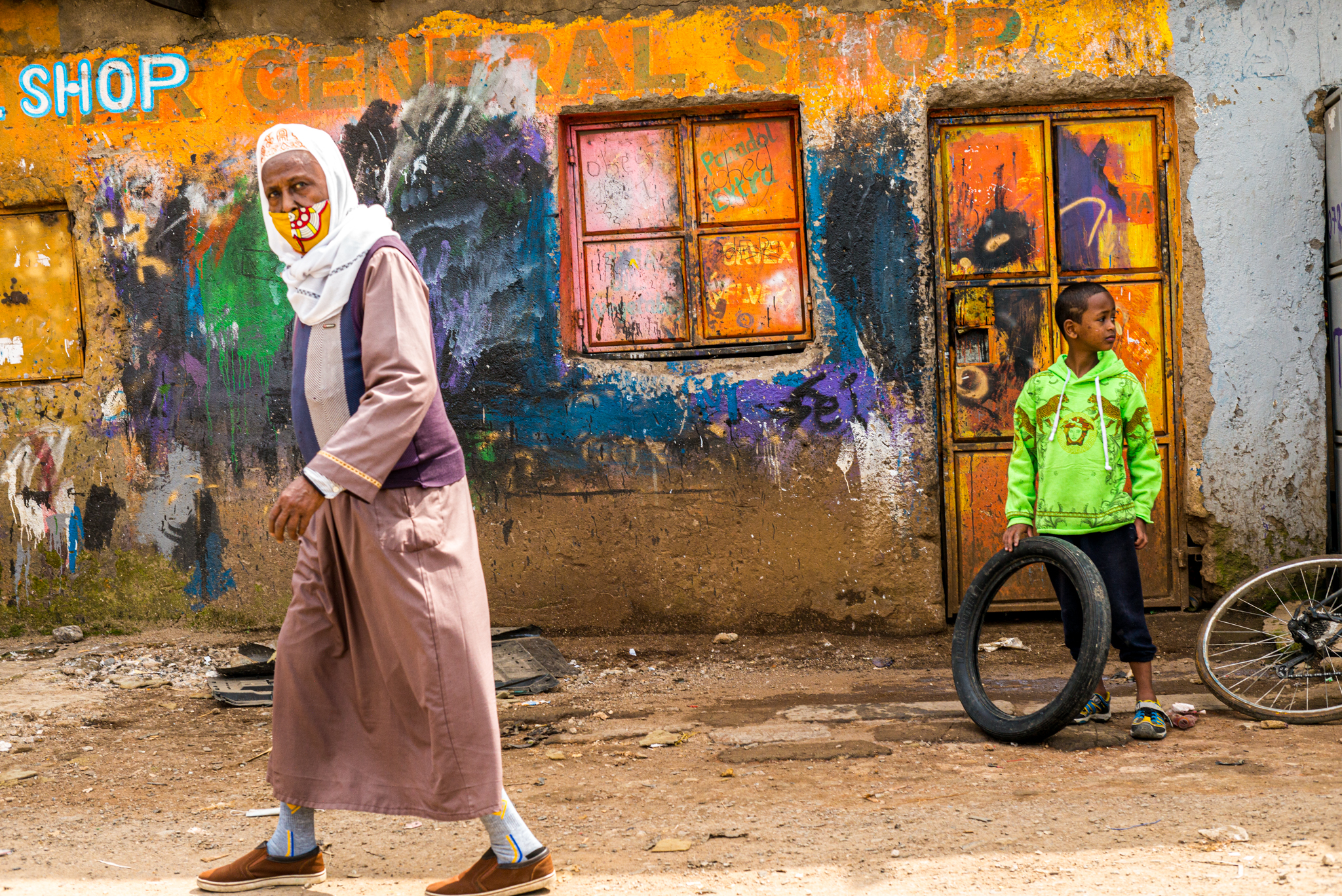
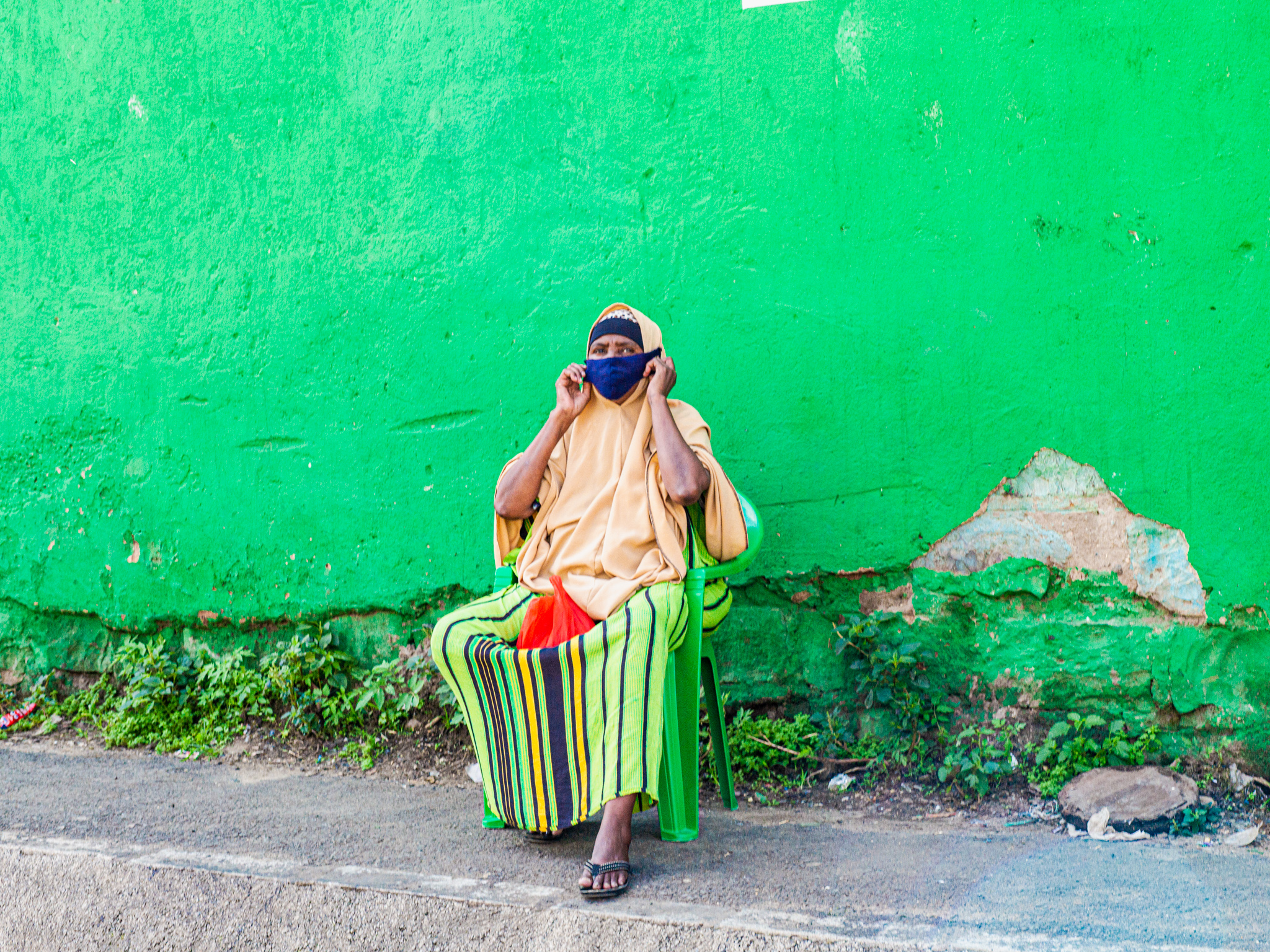
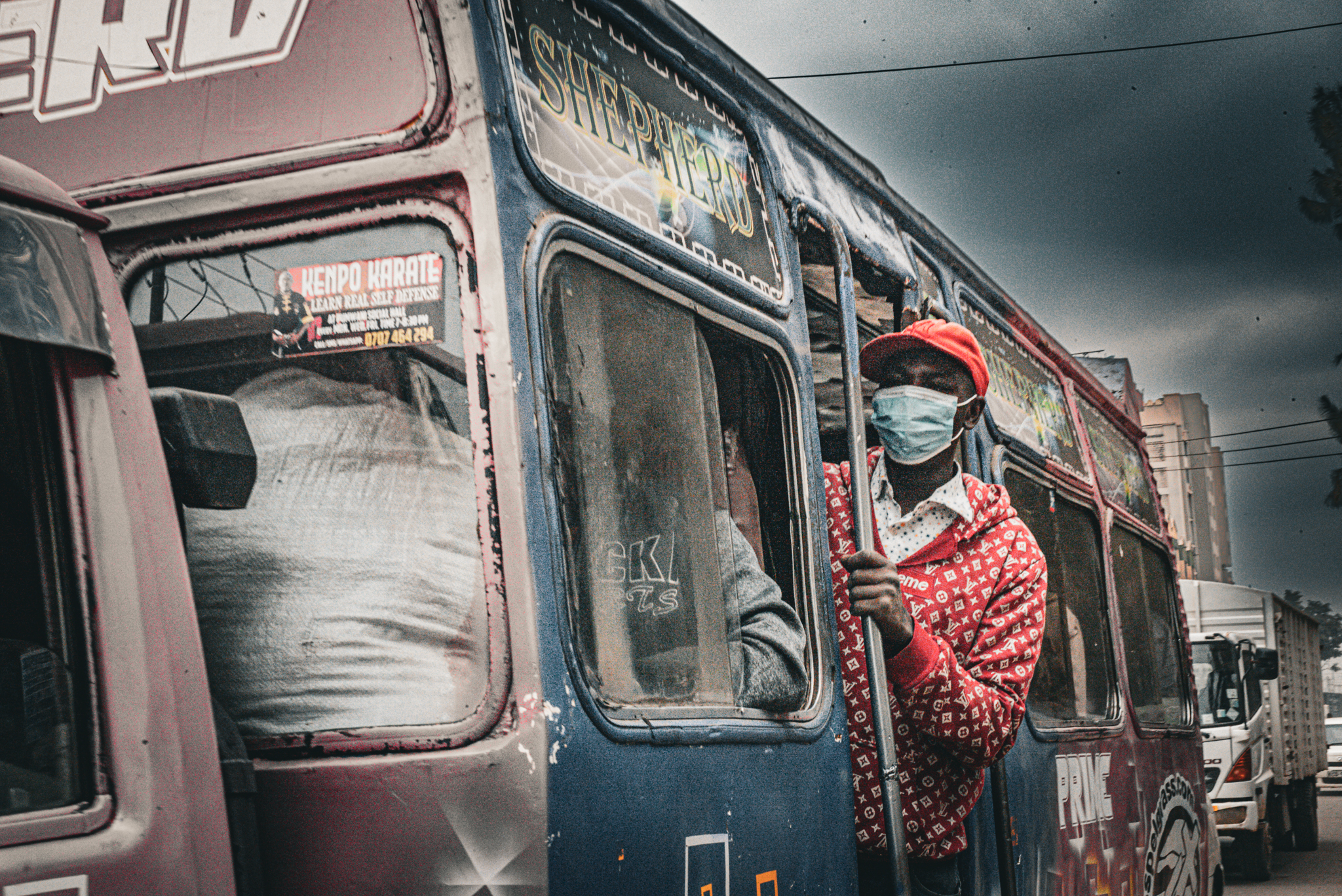
Altered Identity, Lost Memory explores the visual and emotional traces left by the pandemic years through a series of photographs captured in Kenya six years after the global crisis reshaped everyday life. Rather than documenting an event, the series reflects on what remains: gestures, distances, and subtle shifts in how we inhabit public space and relate to one another.
The mask — once an urgent symbol of protection — becomes here a metaphor for transformation, anonymity, and adaptation. Through a transversal narrative, the images move beyond description to reveal a shared human condition: the tension between remembering and forgetting, between vulnerability and resilience.
This work invites viewers to reconsider how collective experiences persist quietly within ordinary scenes, reminding us that identity is never fixed and memory seems to be forgotten.
It was only six years ago that masks appeared everywhere, confronting — in their simplest and perhaps most effective form — an invisible enemy. Beyond prevention, the mask reshaped the limits of the self. It became a shield, but also a form of anonymity. Faces disappeared behind fabric, and with them, certainty.
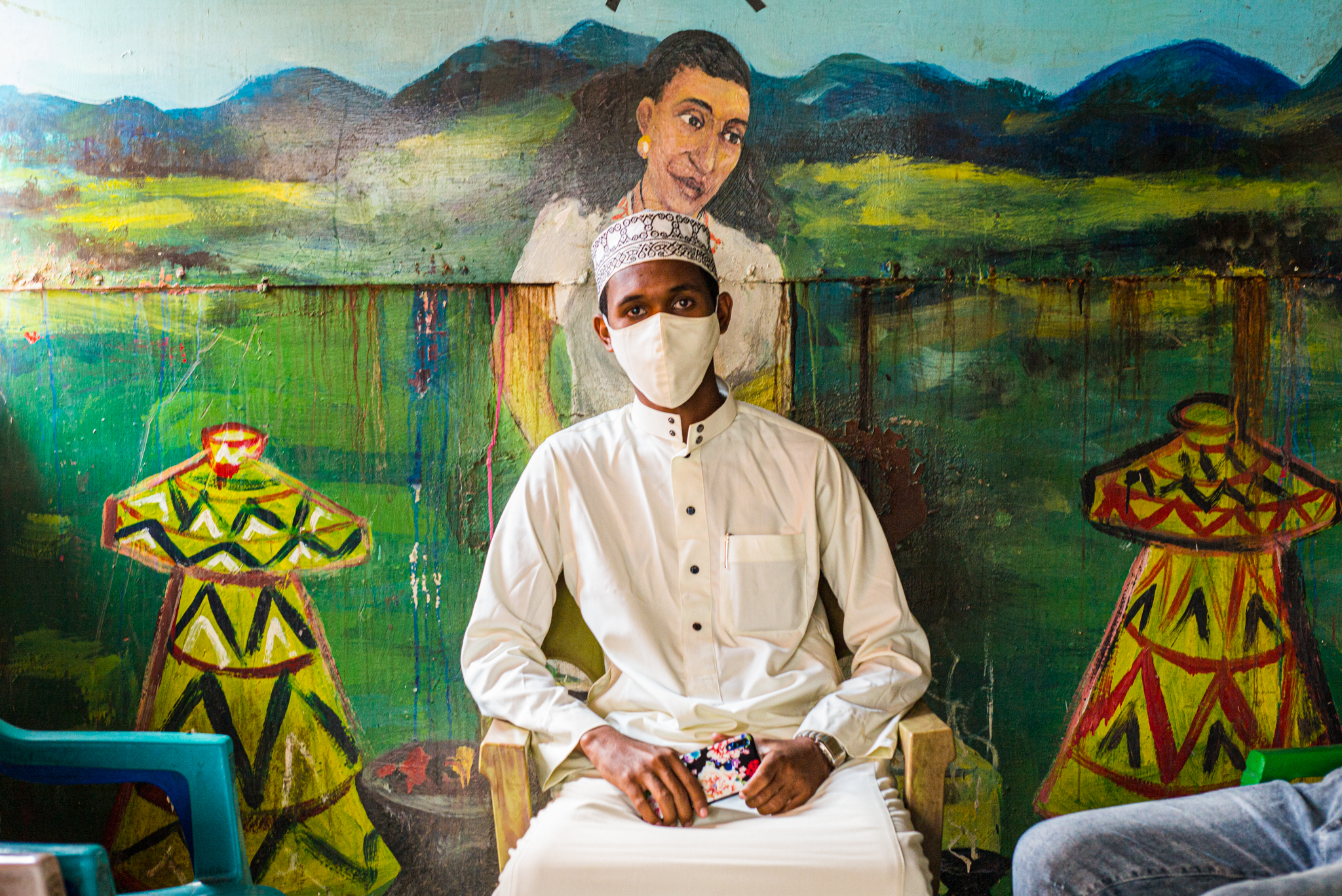
Masks redrew maps of distance and proximity. They created a new pedagogy of social interaction, a silent choreography of approach and withdrawal. In a short time, they opened unexpected windows of identity and representation. With half the face covered, expression migrated to the eyes, gestures, posture. We learned to read each other differently.
Whether made of medical fabric, elastic bands, bright colors, or improvised cloth, masks layered identity. They transformed the face into a surface of negotiation — between safety and exposure, individuality and collectivity. Beyond discomfort and irritation, covering the face revealed a paradoxical space of protection where introversion, transformation, and subjectivity could unfold.
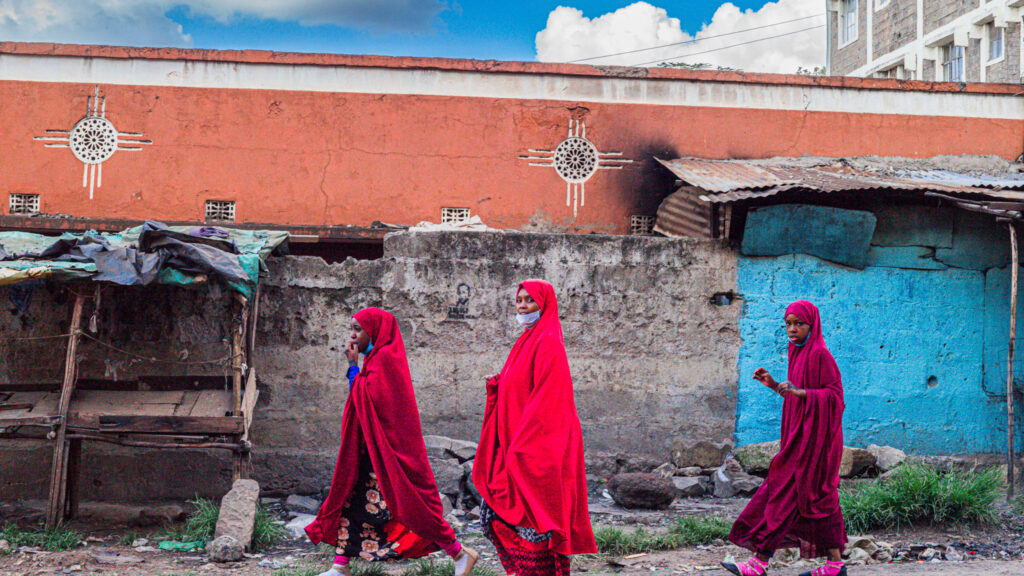
That was life in pandemic times. We believed the world would never be the same — that work, rest, and human connection would be permanently altered. Some changes did arrive, especially in how we work. Yet, little by little, we retreated into routine. The threat faded from daily conversation, but it never fully disappeared. The virus remains somewhere in the background, adapting, multiplying, waiting — as do countless other organisms that seek the same thing we do: to exist.