MENNONITES: AN INNER UNIVERSE

DATE

2025

CITY

CAMPECHE, MEXICO
Texts by Eduardo López Moreno®
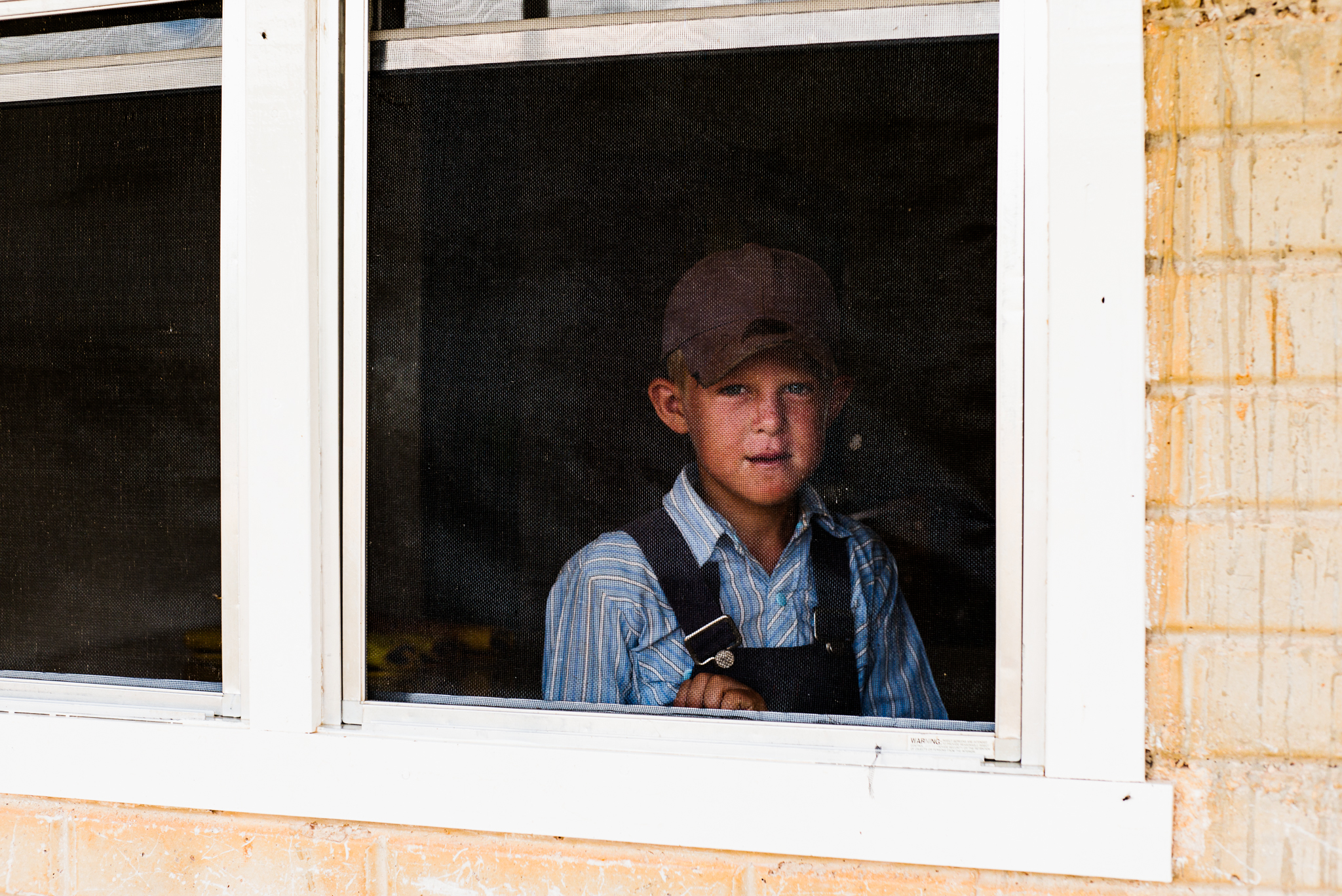
The Mennonites captured time—and a portion of the geography in which they live—and in doing so, recreated their culture and way of life. For more than five centuries, they have sustained a closed universe: a self-contained system in which values, religion, labor, and belief are reproduced within boundaries that belong only to them. Time, here, is not something that passes; it is something that is held, protected, and repeated.

Across generations, agriculture has been privileged not only as a means of survival but as the foundation of economic surplus, social protection, and collective continuity. The land provides sustenance and income, while the community itself functions as a protective structure—one that redistributes resources, safeguards its members, and sends support back to places of origin as a buffer against a historically fragile and itinerant existence.

From their Anabaptist origins in sixteenth-century Europe—across what is now Germany and the Low Countries—Mennonite communities have settled in more than ten countries worldwide. Wherever they establish themselves, agricultural productivity becomes both strength and risk. Economic surplus is achieved through intense cultivation, often at the expense of environmental sustainability, quietly altering the landscapes that host them. The priority is not ecological balance but continuity: the preservation of a way of life that has learned to endure by enclosing itself.
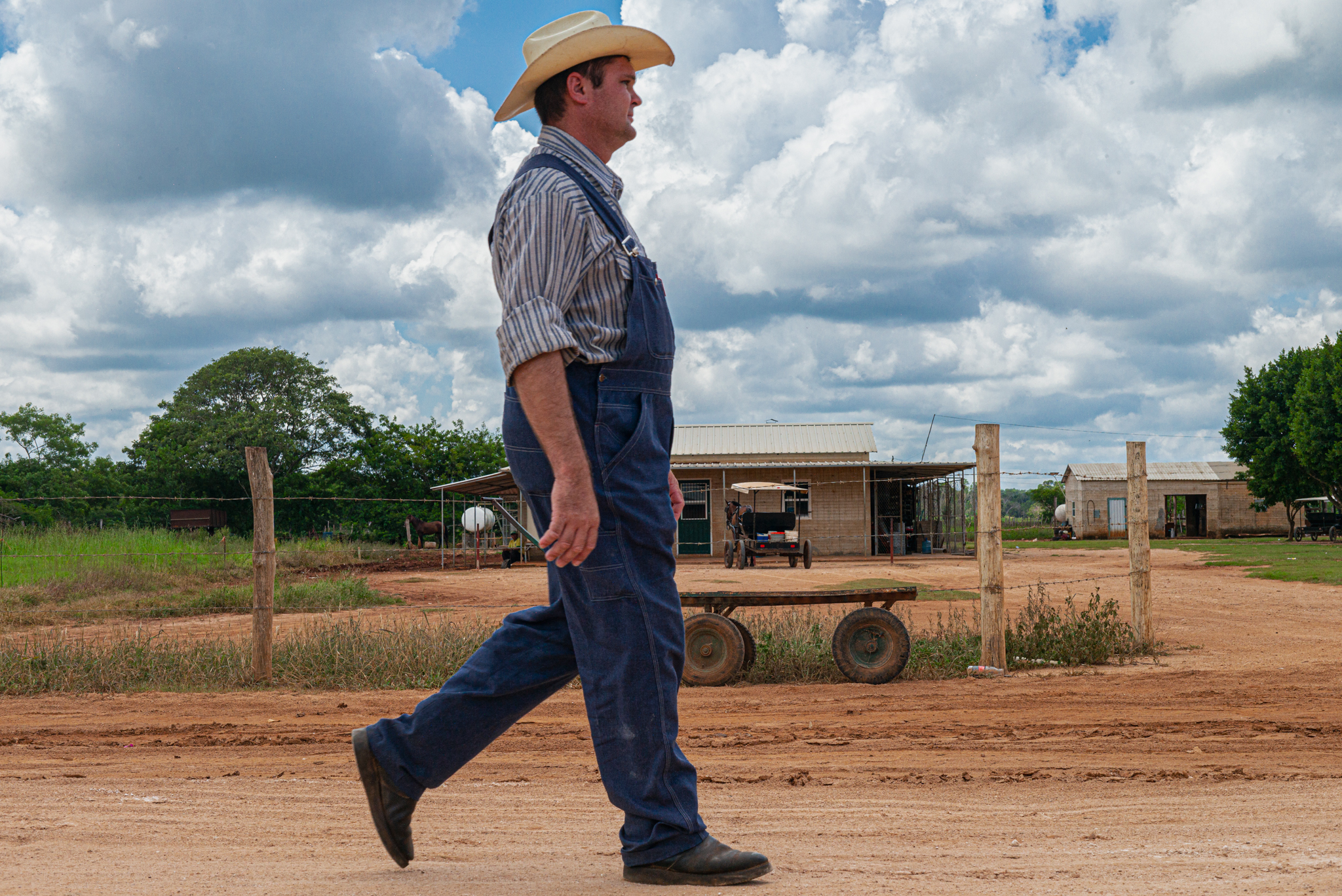
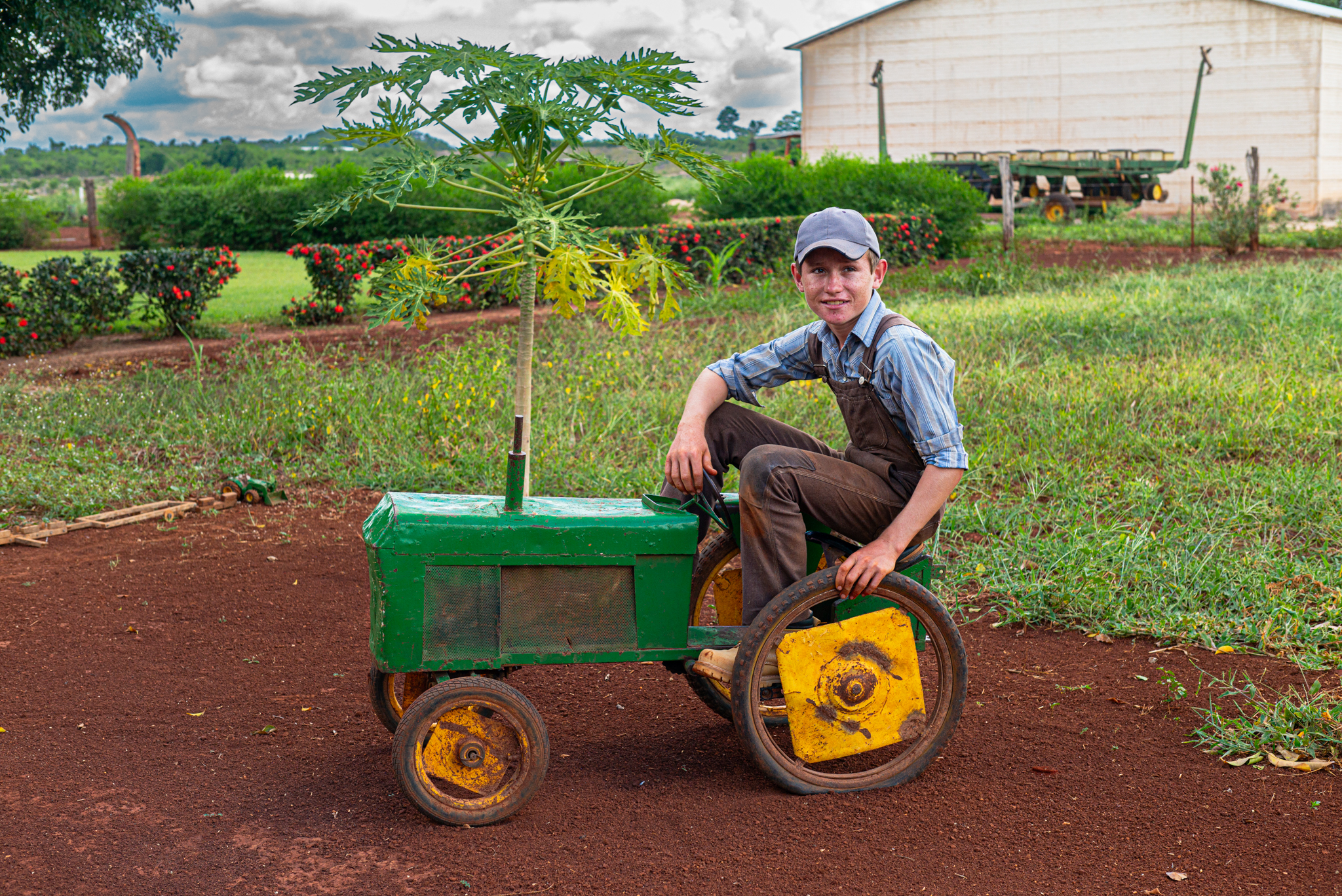


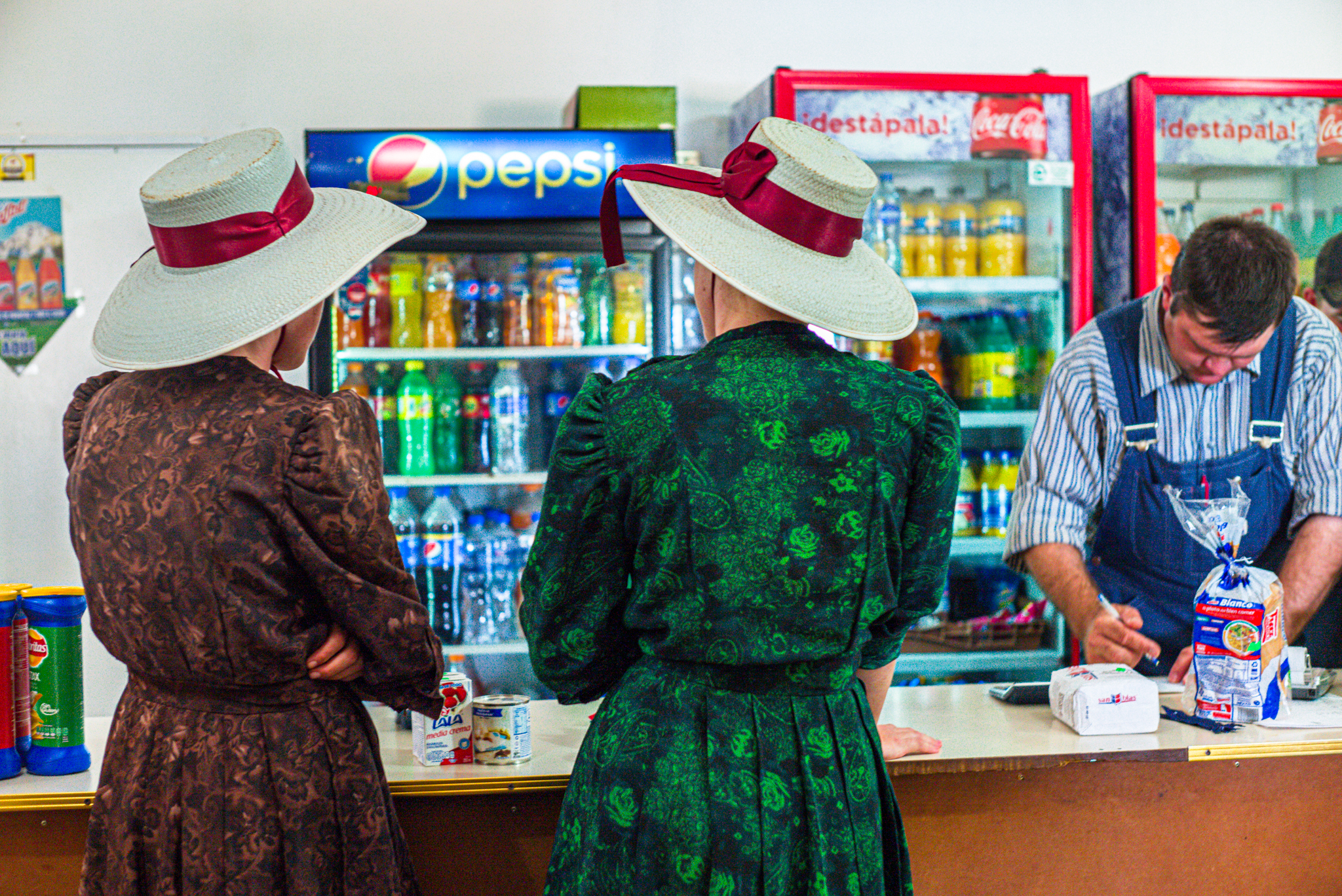
This is a world of deliberate seclusion. Knowledge and science are not rejected, but narrowed in purpose to the point of ignorance of many other matters. Beyond that, the outside world is held at a distance, sometimes through language itself. Many women, for example, in this settlement in Campeche, do not speak Spanish despite being born in Mexico, reinforcing an inward-facing social universe where communication sustains cohesion rather than expansion.

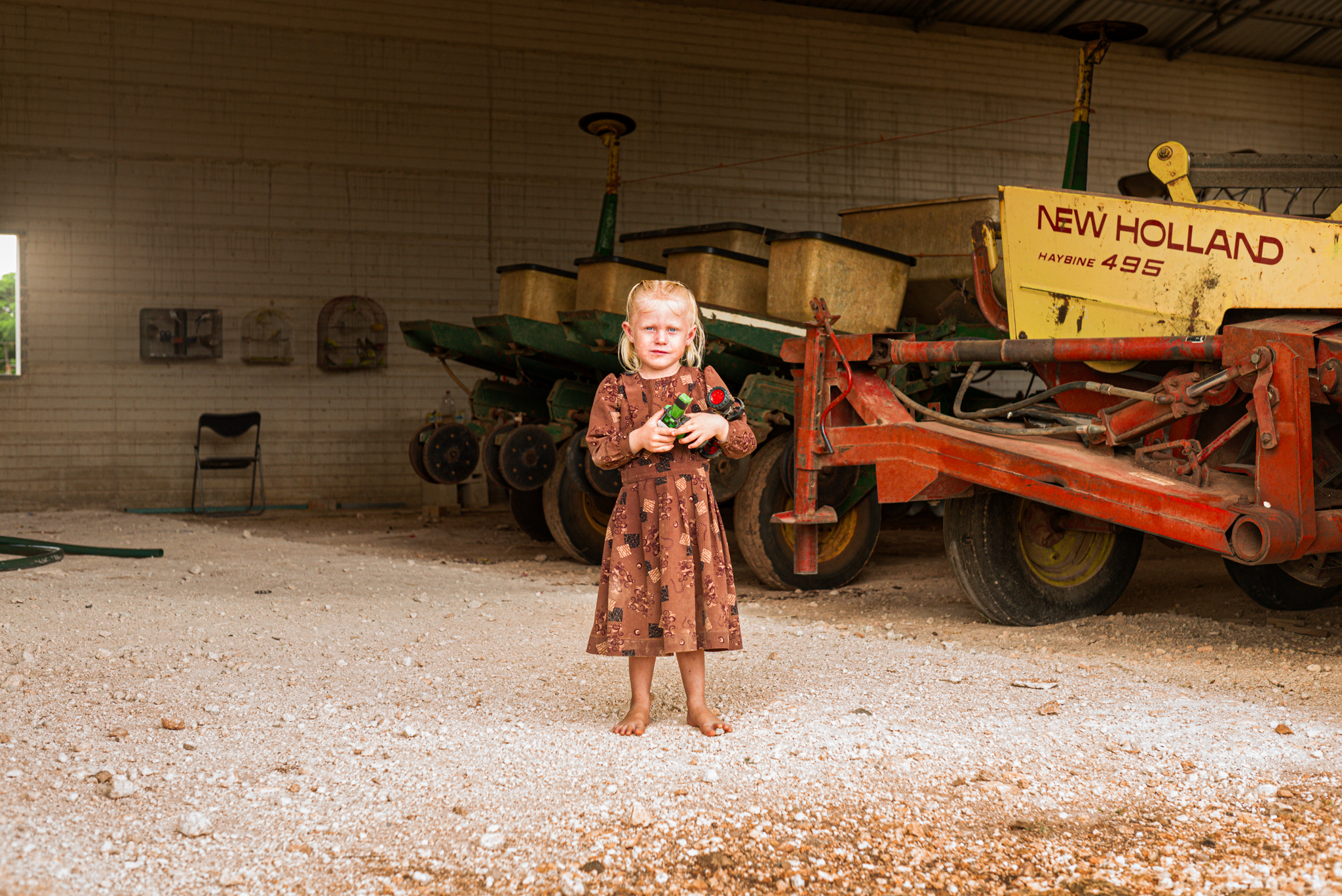
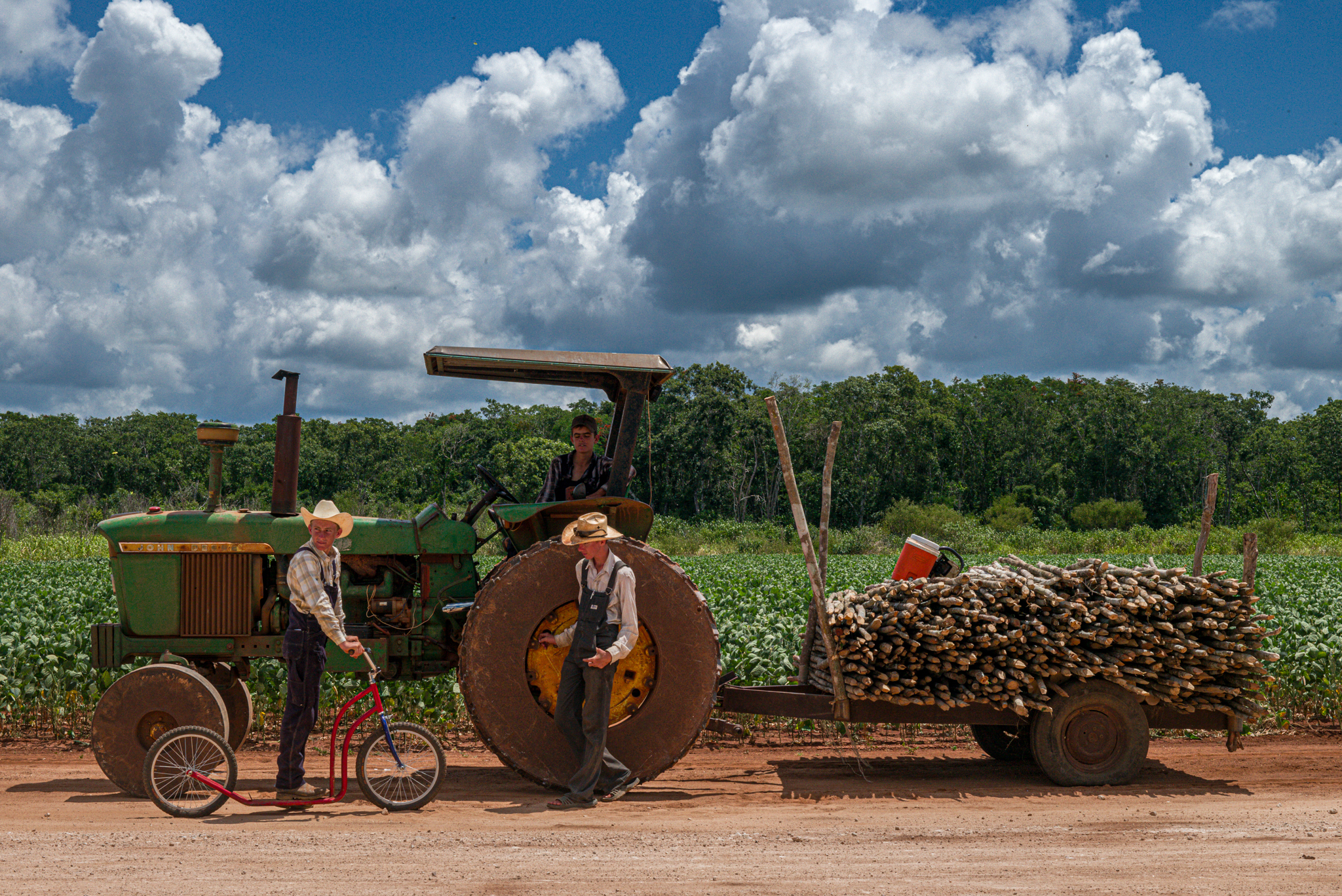
Agriculture stands at the center of this life. The productivity is extraordinary—fields intensely cultivated, labor relentlessly organized. It is a mastery of land achieved through discipline and collective effort, often of children themselves. Environmental strain is visible, quietly absorbed as part of a system that privileges continuity over ecological balance.

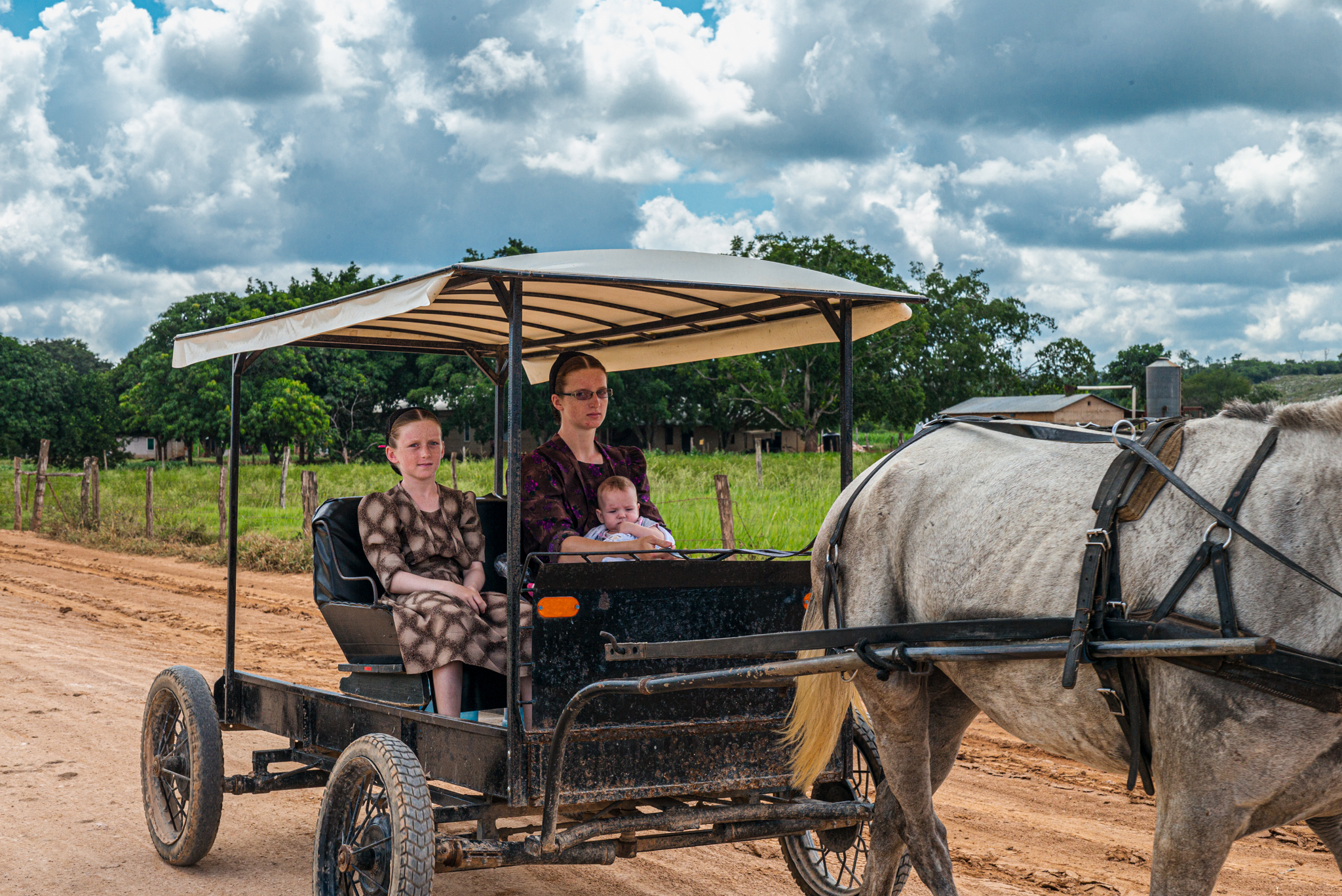
What endures most powerfully is union. Social cohesion is not an aspiration but a condition of existence. Families move together, work together, worship together. Clothes are made within the community. Toys are crafted by hand. Objects circulate with meaning, not novelty. Nothing here is accidental; everything is embedded.

Yet beneath this order lies an undercurrent of vulnerability. A historic fear—rooted in persecution and displacement—persists. Security is not assumed. Funds are protected, sometimes stored abroad, in places like Holland, where memory and refuge still converge. The past remains present, shaping precaution as much as identity.

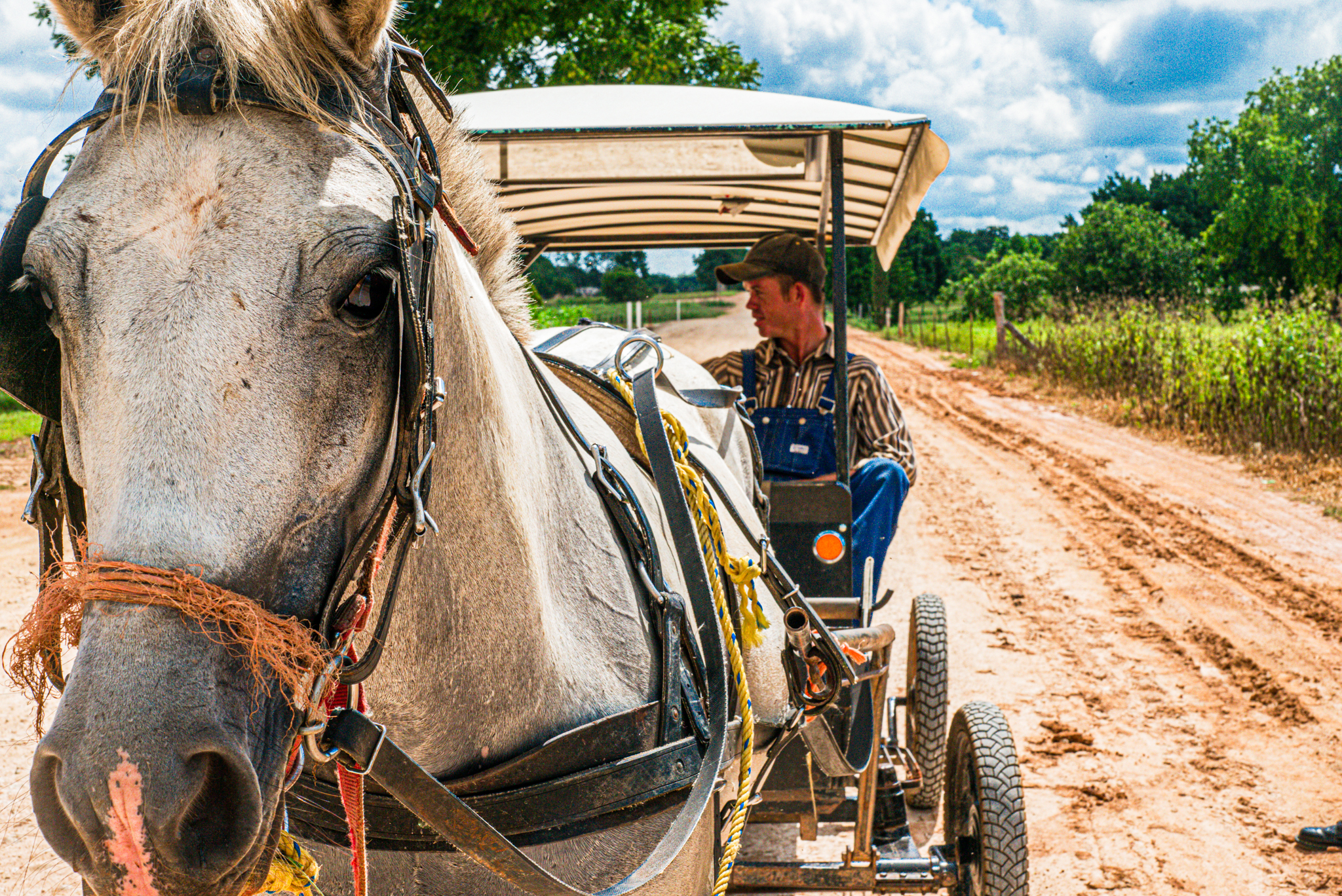
These photographs do not explain this world; they witness it. They observe gestures, pauses, glances—moments where the inner universe briefly opens. What they reveal is not resistance to change, but allegiance to coherence. A way of life where dignity is drawn from usefulness, meaning from repetition, and resilience from shared belief.
This is not a world frozen in time. It is a world that has chosen how time should move—slowly, inwardly, together.